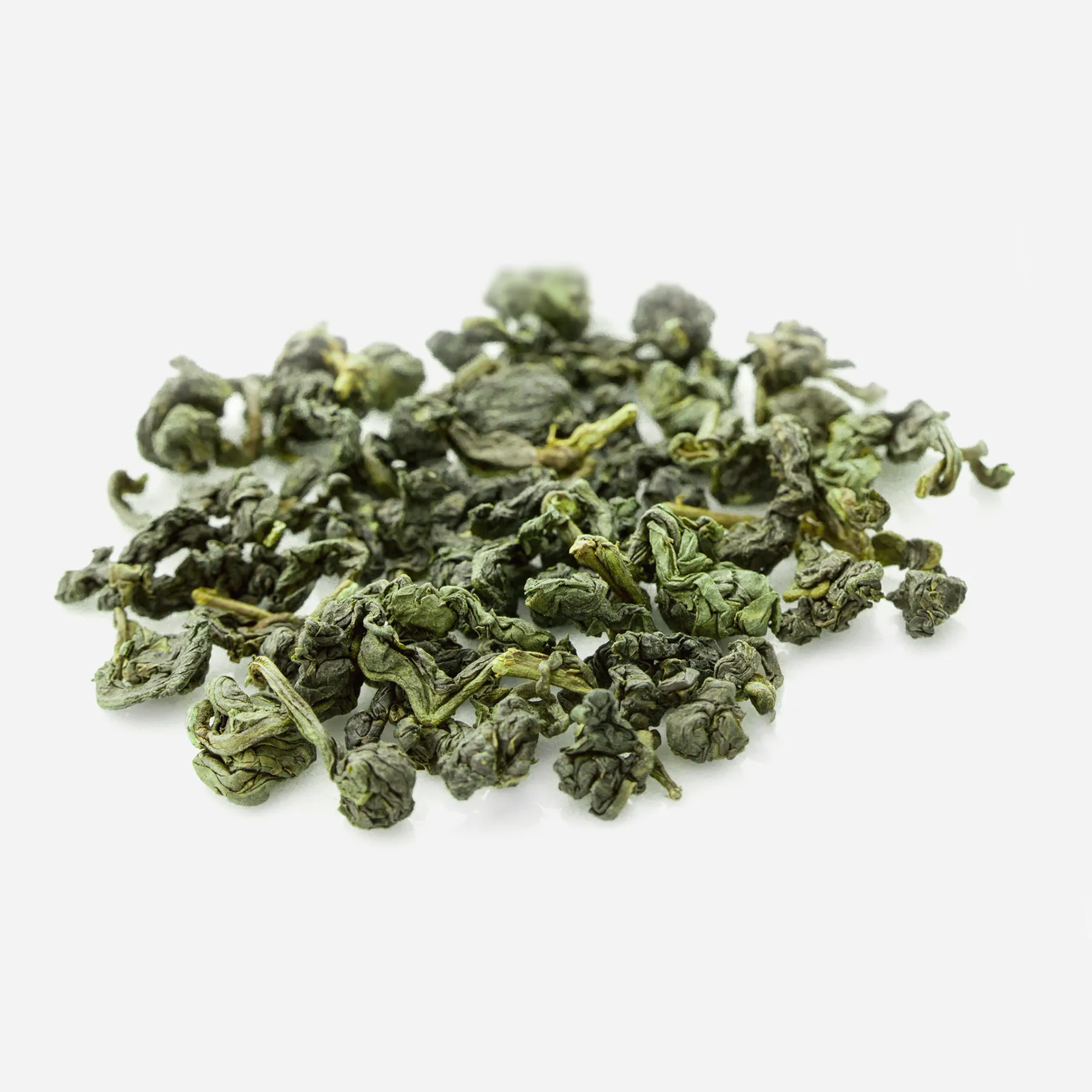
Cuiyu Xue Pian – Jade Snowflake
Winter-harvested Cuiyu Oolong with delicate character and crystalline clarity
Cuiyu, meaning green jade, is often affectionately called Jade Oolong. This relatively young cultivar, developed in Taiwan in the early 1980s alongside Jinxuan, represents a new era in Taiwanese tea breeding. As Cultivar No. 13, it was named “Cui Yu” by its creator Wu Zhenduo – the father of Taiwanese tea – as a tribute to his mother Cuiyu.
Xue Pian, which translates to Snowflake, refers to the tea’s winter harvest. Teas picked in the colder season grow more slowly, developing a softer, purer aroma and taste. This gentle pace of growth is reflected in the tea’s elegant and refined character.
Aromatic and graceful
This Jade Oolong unfolds with a fresh, floral bouquet – subtle yet expressive. Notes of gardenia and orchid mingle with a crisp, airy sweetness. A faint hint of alpine herbs and winter blossoms adds seasonal depth. The fragrance lingering in the empty cup carries a creamy, slightly spicy nuance with a whisper of white honey.
Light oxidation and light roasting
Cuiyu Xue Pian is crafted with a delicate touch: only lightly oxidized and gently roasted. This preserves the cultivar’s vibrant green clarity and aromatic freshness. The result is a bright, smooth cup with a clean mouthfeel and a soft, lingering finish. Ideal for those who appreciate nuanced, meditative teas with natural elegance.
This tea is best enjoyed slowly – allow it to open over multiple infusions and experience the calm, snow-like beauty of a winter garden in every cup.
Harvest date: winter 2024
Aroma: floral, with notes of orchid
Oxidation: approx. 20%
Roasting: light
Cultivar: Cuiyu
Terroir: Minjian, Nantou, Taiwan
Preparation: In this blogpost you will find a description of how to brew Oolong tea
Tip: To fully appreciate the aroma on the palate, allow the tea to cool slightly in the cup before drinking – its delicate Qing Xian (bouquet-style) profile opens best at a moderate temperature.
Thanks to its smooth character, this tea is ideal for preparation in a large cup or teapot. It remains pleasantly mild without turning bitter, even with longer steeping times. There’s no need to strain it – simply let the leaves settle naturally at the bottom.
Q & A
 Cuiyu Xue Pian
Related Products
-
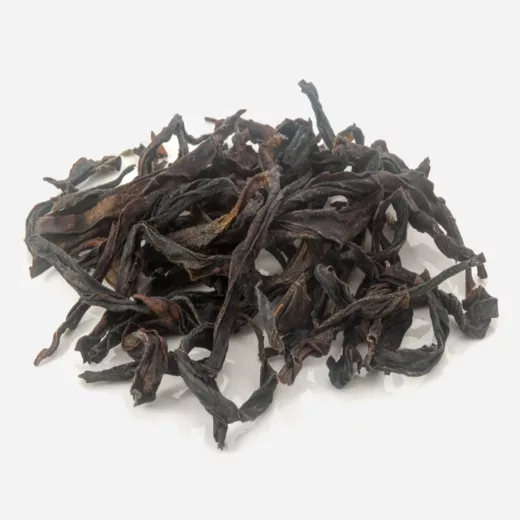
Tie Luo Han
29,00 CHFplus Shipping Costs
Product contains: 50 g
Add to cart -
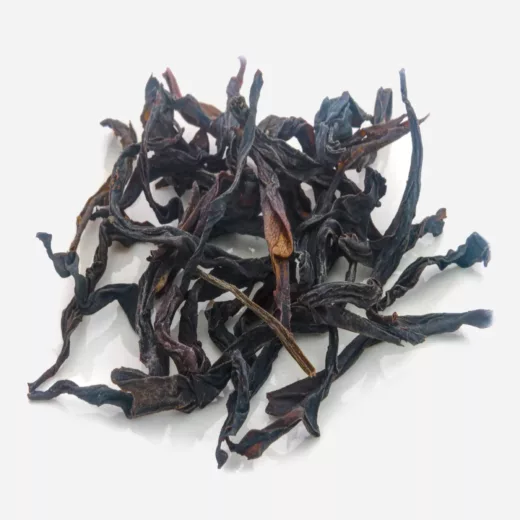
Yu Lan Xiang
22,00 CHFplus Shipping Costs
Product contains: 50 g
Read more -
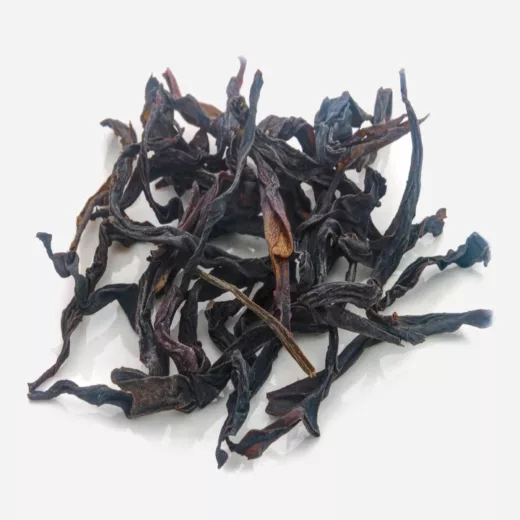
Ya Shi Xiang
10,00 CHFplus Shipping Costs
Product contains: 50 g
Add to cart -
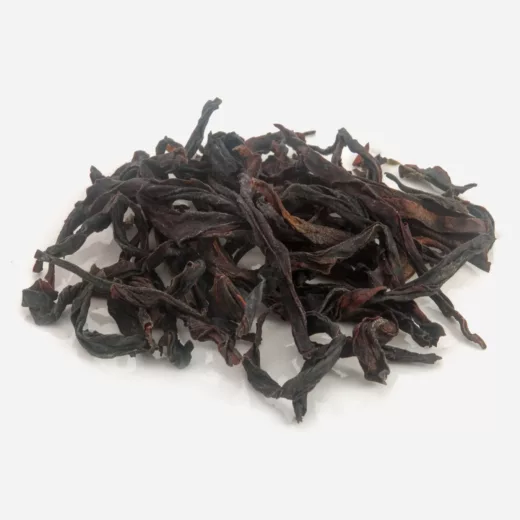
Huang Mei Gui
15,00 CHFplus Shipping Costs
Product contains: 50 g
Read more -
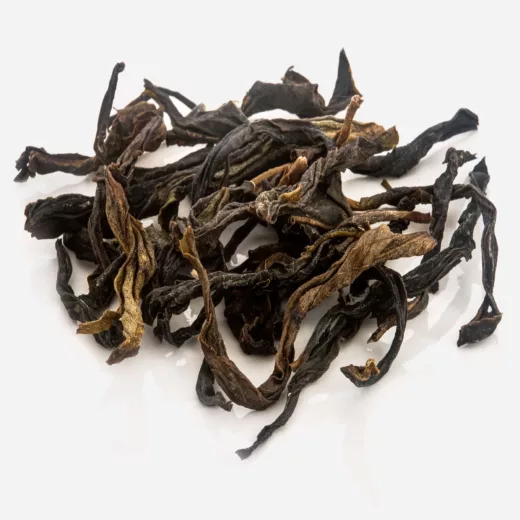
Huang Guan Yin
14,00 CHFplus Shipping Costs
Product contains: 50 g
Add to cart